
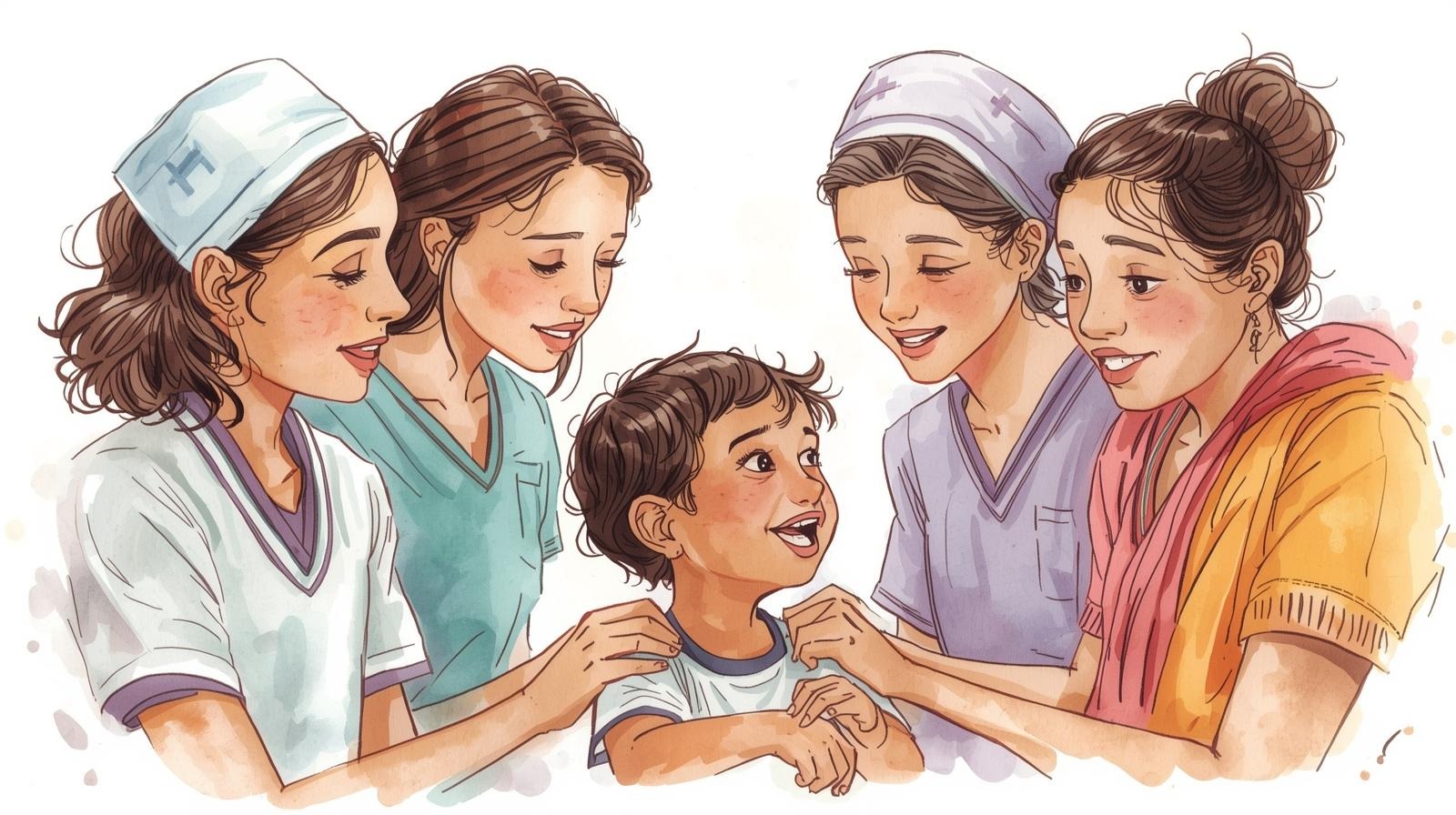
Supportive care is a fundamental component of paediatric hematology and oncology, greatly influencing treatment tolerance, safety, long-term outcomes, and overall quality of life. In addition to disease-specific therapy, comprehensive supportive services help children and their families navigate the medical, emotional, nutritional, and educational challenges associated with prolonged illness.
Nutritional optimisation is critical for children undergoing chemotherapy, radiotherapy, immunotherapy, or stem cell transplantation. Treatment-related effects such as reduced appetite, mucositis, altered taste, nausea, gastrointestinal disturbances, and metabolic changes may impair growth and immunity. Our nutrition team conducts routine nutritional assessments, growth monitoring, individualized diet planning, and parent counselling to maintain optimal nutritional status. High-protein and calorie-dense strategies are offered where necessary. Guidance is also provided to families for home-based care, safe food practices, and culturally appropriate dietary options that ensure continuity beyond the hospital setting.
Serious illness can bring significant emotional stress for children and families. Counsellors and psychologists offer structured psychosocial support throughout the treatment trajectory. Services include:
Frequent hospital visits and prolonged admissions may disrupt academic progress. To reduce the educational impact, we facilitate:
Civil society plays a crucial role in strengthening paediatric oncology care by providing social, emotional, and logistical support to families. Philanthropic groups, patient-support organizations, and community volunteers help bridge economic and social gaps by supporting:
We remain committed to creating a compassionate, child-centred atmosphere where treatment is experienced with dignity, respect, and hope. Celebrating milestones, facilitating play and expressive activities, and encouraging family participation help children maintain motivation and emotional wellbeing throughout their journey.
Supportive care stands at the core of our philosophy. By integrating high-quality nutrition support, psychosocial counselling, educational assistance, and community partnership, we work towards holistic healing and improved survivorship for every child and family entrusted to us.